
Editorial and Sourcing Standards
This page describes how Suplemen Pria researches, writes, and publishes content about natural supplements and vitamins for men. We believe that an informational website should be transparent about its methods, and this page exists so readers know what goes into the articles they read here. We cover our sourcing criteria, our topic selection process, our conflict-of-interest policy, and the boundaries we set on what we will and will not publish.
Reader Promise
Content driven by reader need and market reality, not commercial incentives. No payment for editorial coverage, no affiliate program, no brand sponsorships.
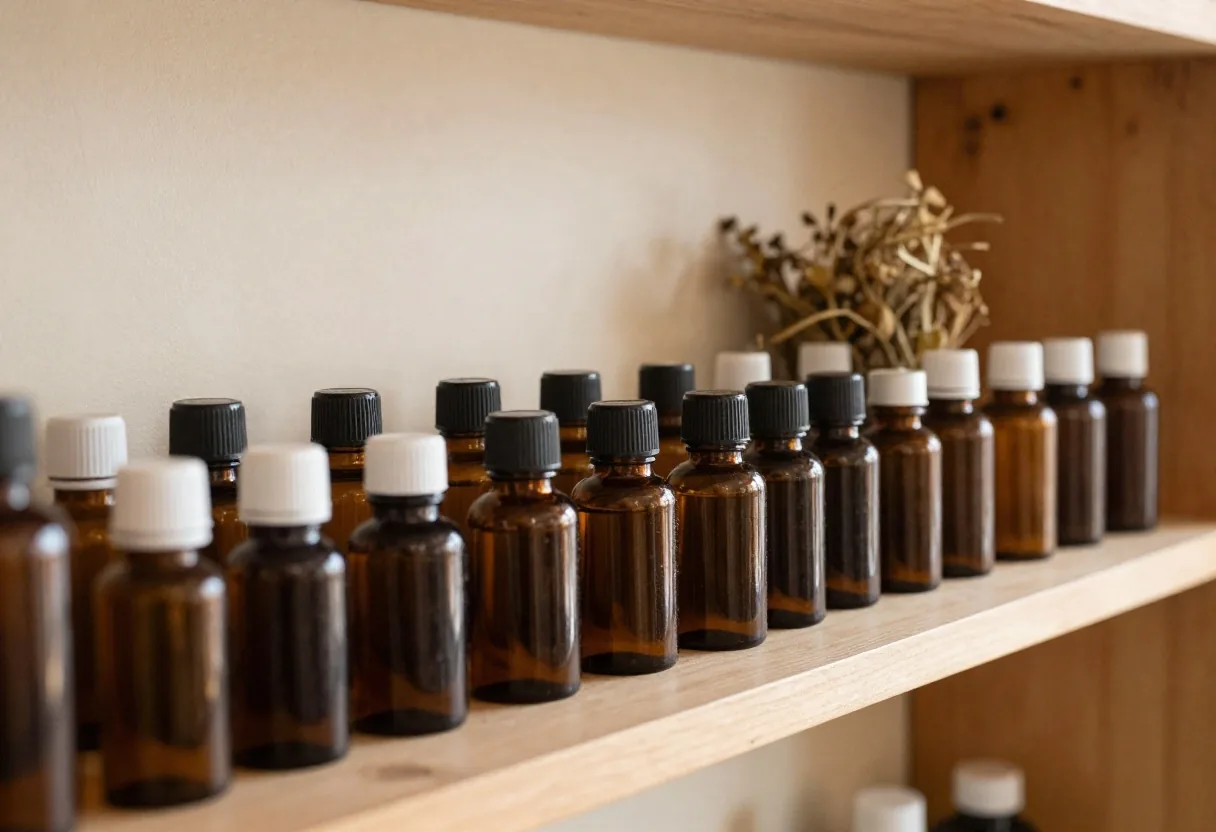
How We Select Topics
Topics are chosen based on what men in our audience actually search for and ask about. When we receive repeated questions about a specific ingredient, format, or supplement category, that signals a need for clear explanatory content.
We also monitor which products are commonly available in the Indonesian supplement market, including pharmacies in Palembang and online marketplaces, and write about ingredients that men are likely to encounter on labels. We do not select topics based on what brands want promoted, because we do not accept payment for editorial coverage. The result is a content library driven by reader need and market reality, not commercial incentives.
What Sources We Use
Our articles are based on publicly available information about ingredients, including botanical databases, food composition data, regulatory agency publications, and traditional use records. We describe ingredients using their common names, botanical names where relevant, and the names used on supplement labels. When we mention traditional use, we identify the cultural or regional context, such as jamu traditions in Indonesia or Ayurvedic practices in South Asia. We do not cite individual clinical studies as proof of effectiveness, because single studies are not sufficient basis for broad claims and can be cherry-picked to support any position. Instead, we describe what is publicly known about an ingredient and let readers draw their own conclusions.
Botanical Databases
Plant reference databases that list botanical names, natural habitats, and traditional preparation methods. These help us identify what an ingredient actually is before describing it.
Food Composition Data
Public food and nutrient composition tables that describe what naturally occurs in common foods and herbs. We use these to explain what supplement formats typically contain.
Traditional Use Records
Documented cultural and regional practices, such as jamu traditions in Indonesia or Ayurvedic practices in South Asia. We describe these as traditional use, not as evidence of specific outcomes.
How We Write About Ingredients
Each ingredient article follows a descriptive structure: what the ingredient is, where it comes from naturally, what format it is sold in, and what context surrounds its use. We name the plant or compound, describe its natural source, and explain what supplement formats typically contain it.
We avoid language that implies effectiveness, cure, treatment, or rapid results. We do not use phrases like "scientifically proven," "miracle," "breakthrough," or "transformative," because these terms are marketing language, not accurate descriptions of how natural supplements work. When traditional use is relevant, we describe it as traditional use, not as evidence of specific outcomes. The goal is accuracy, not persuasion.
Each Article Covers
- 01 What the ingredient is — common name, botanical name, and the name on labels
- 02 Where it comes from naturally — the plant, mineral, or compound source
- 03 What format it is sold in — capsules, powders, extracts, or whole-form
- 04 What context surrounds its use — traditional practices, regional origin, cultural framing
Conflict-of-Interest Policy
Suplemen Pria does not accept payment for editorial coverage. We do not operate an affiliate program, earn commissions on product sales, or accept sponsorships from supplement brands. If we mention a specific product or brand, it is for illustrative purposes, such as demonstrating a point about label format or ingredient listing, not an endorsement.
If our financial relationship to any product or brand changes in the future, we will update this page and disclose that relationship in relevant articles. We take this position because we believe informational content about supplements should be free of the financial conflicts that distort so much of the supplement content available online.
Content Boundaries
These boundaries exist because the supplement market is already saturated with exaggerated claims, and adding more does not serve readers. We would rather publish less content that is accurate than more content that is sensational.
No Cure or Treatment Claims
We will not publish content that claims any supplement cures, treats, or prevents any health condition. Our articles describe ingredients, not outcomes.
No Fabricated Evidence
We will not fabricate clinical studies, certifications, or testimonials. Every description of an ingredient is grounded in publicly available information.
No Transformation Narratives
We will not use before-and-after photos or transformation narratives, nor will we publish content that implies rapid or guaranteed body changes.
No Individual Dosing Advice
We will not use language that mimics medical authority or gives individual dosing advice. Our content is for general informational purposes only.
Accuracy and Updates
We make our best effort to ensure that the information published on this site is accurate at the time of publication. Ingredient names, natural sources, and supplement formats are described based on publicly available information.
When we become aware that an article contains an error, we correct it and note the update. We do not have a fixed update schedule, but we review content periodically and respond to reader feedback about inaccuracies. If you spot something that seems wrong, contact us at [email protected] and we will review it. Accuracy is a process, not a one-time achievement, and reader feedback is part of that process.
Who Writes the Content
Content is written by the editorial team at Suplemen Pria, based in Palembang, South Sumatra. We are not medical professionals, and we do not present ourselves as such. Our role is to research, organize, and explain publicly available information about natural supplements in clear English.
We write for general informational purposes, and our content does not replace advice from a qualified health or nutrition professional. If you have a specific health concern, the right step is to consult someone who can assess your situation directly, not to rely on a website for guidance. We state this plainly because we respect our readers and their health.
Contacting Us About Content
If you have a question about how an article was researched, want to suggest a topic, or believe something we published is inaccurate, we want to hear from you. Reach us through the Contact page, by phone at +62 711 344 725, or by email at [email protected]. We read every message and use reader input to guide future content and corrections. Transparency means being accountable to readers, and that includes responding to feedback about the quality and accuracy of what we publish.

Continue Reading
Related guides that apply these editorial standards in practice.
Vitamins and Minerals Guide
Read how we describe individual vitamins and minerals for men, including their natural sources, common supplement formats, and what context surrounds their use.
Explore the guide →Popular Products Overview
See how we approach commonly available supplement formats in the Indonesian market — what to look for on labels and what context helps you understand what you are reading.
Explore the overview →