

Energy and Endurance Resources for Men
Natural supplements and lifestyle factors men commonly explore for energy and physical endurance — explained honestly, with ingredients, formats, and context rather than promises.
What this page covers
This page covers natural supplements and lifestyle factors that men commonly explore for energy and physical endurance. We explain ingredients, formats, and practical context without claiming that any product boosts performance or cures fatigue. Energy is a complex topic influenced by sleep, diet, stress, activity level, and overall health, and supplements are just one piece of that picture. Our goal is to give you useful information about what is out there so you can think clearly about what you might or might not want to use.

Understanding energy in everyday terms
Energy is not something a capsule gives you in the way a battery charges a phone. It is the result of adequate sleep, sufficient calories, balanced nutrients, regular movement, and manageable stress levels. When men feel tired, the first question should be whether those foundations are in place, not which supplement to buy.
A worker in Palembang who sleeps five hours a night and skips breakfast will feel fatigued regardless of what B-complex or herbal capsule they take. Supplements can complement a solid foundation, but they cannot substitute for one. We start with this framing because the supplement market often implies the opposite, and we think readers deserve a more honest starting point.
Natural ingredients traditionally associated with stamina
Several plant-based ingredients have long histories in traditional wellness cultures as tonics for stamina and vitality. We describe these because men encounter them on product labels, and knowing the plant name, its origin, and its traditional context helps you evaluate products more clearly. We do not claim that these ingredients produce specific results, because individual responses vary and the research landscape is mixed.
Maca Root
Native to the Andes
A root grown at high altitudes in Peru, commonly dried and milled into powder or used in capsule form. Men encounter maca in supplements marketed for energy and stamina, often alongside other plant-based ingredients.
Ginseng
East Asian tradition
Panax ginseng has been used for centuries in traditional East Asian wellness practices. The root is typically dried and prepared as a tea, extract, or capsule. It appears widely in men's energy formulations.
Tongkat Ali
Southeast Asian origin
A plant native to Southeast Asia, including Indonesia, where the root has a long history of traditional use. It appears frequently in supplements marketed to men for energy and endurance.
B vitamins and energy metabolism
B vitamins contribute to normal energy-yielding metabolism, which means they help the body convert food into usable energy. This is different from being stimulants, and supplement marketing often blurs that distinction. A B-complex supplement provides thiamine, riboflavin, niacin, B6, B12, and other B vitamins in a single product.
If your diet includes meat, eggs, dairy, and whole grains, B vitamin intake is usually adequate. Supplements become relevant when dietary sources are limited or when absorption is a concern, which is something to discuss with a health professional. We cover B vitamins in more detail in our Vitamins and Minerals Guide, including food sources and supplement formats.
Iron, oxygen, and endurance
Iron is involved in oxygen transport through hemoglobin, which is relevant for physical endurance. Men generally need less iron than women, and excess iron intake can be harmful, so iron supplementation is not something to start casually. Dietary sources include red meat, liver, and dark leafy greens.
If a man is consistently fatigued during physical activity, low iron could be one of many possible factors, and a blood test is the way to find out, not a supplement bottle. We mention iron here because it is relevant to endurance, but we do so with caution because self-supplementing iron without knowing your status is a bad idea. This is a case where information should lead to a conversation with a professional, not a purchase.
Magnesium and muscle function
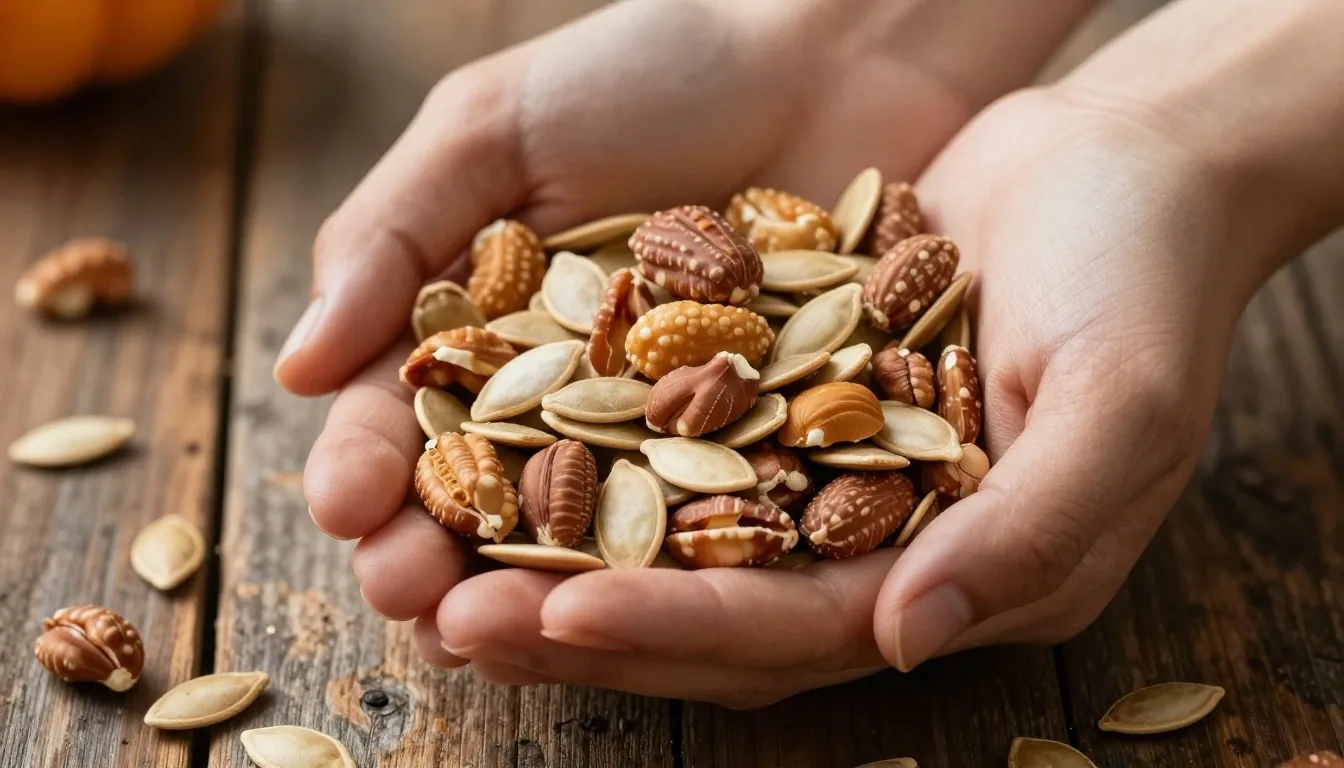
Magnesium supports normal muscle function, including the contraction and relaxation processes that matter during physical activity. It also plays a role in energy metabolism and nervous system function. Dietary sources include nuts, seeds, leafy greens, and whole grains, which are accessible in most Indonesian diets but not always eaten in sufficient quantities.
Supplement forms include magnesium citrate, which is well-absorbed, and magnesium glycinate, which is often chosen for its gentle effect on digestion. Active men who train regularly may pay more attention to magnesium because of its role in muscle recovery, but supplementation should complement dietary intake, not replace it. The form matters, and we help readers understand what the different forms on labels actually mean.
Adaptogens in supplement context
Adaptogens are a category of plant-based ingredients traditionally used to help the body respond to stress. Examples include ashwagandha, rhodiola, and holy basil, all of which appear in supplements marketed for energy, endurance, and stress management. The concept comes from traditional wellness systems, and these ingredients have become commercially popular in recent years.
We describe adaptogens because they are widely available and frequently discussed in men's supplement contexts. We do not claim they produce specific outcomes, because the traditional use context and the modern commercial context are different, and individual responses vary widely. If you are curious about an adaptogen, our advice is to learn about the plant, its traditional use, and what format it is sold in before deciding whether to try it.
Caffeine and natural stimulants
Caffeine is the most widely used stimulant in the world and is found naturally in coffee, tea, guarana, and kola nut. It is also added to many energy supplements and pre-workout products marketed to active men.
Caffeine works by temporarily reducing the perception of fatigue, which can improve focus and physical performance in the short term. It is not a substitute for sleep, and regular high intake can lead to tolerance, disrupted sleep, and dependence. Natural sources like coffee and tea provide caffeine alongside other compounds, while supplements deliver it in concentrated doses that can be easy to overconsume.
Lifestyle factors that outperform supplements

No supplement matches the impact of consistent sleep, adequate nutrition, regular physical activity, and stress management on energy and endurance. A man who sleeps seven to eight hours, eats a varied diet, moves his body daily, and manages stress will have more stable energy than someone who sleeps poorly and relies on capsules to compensate.
We state this not to dismiss supplements but to put them in context. Supplements can fill nutritional gaps and complement good habits, but they cannot undo the effects of a poor lifestyle. If your energy is consistently low, the first step is to look at your sleep, diet, and activity, not your supplement cabinet.
A practical checklist
- Sleep — aim for seven to eight hours on most nights before adding any supplement.
- Nutrition — eat a varied diet with whole grains, protein, vegetables, and healthy fats.
- Movement — daily physical activity, even a brisk walk, supports energy more reliably than stimulants.
- Stress — manage stress through rest, social connection, and reasonable workloads.
Vitamins and Minerals Guide
A closer look at B vitamins, magnesium, iron, and other nutrients — including food sources and supplement formats.
→ Read the guidePopular Products Overview
A plain-language overview of supplement categories men encounter most often, without hype or hard-sell framing.
→ Browse overviewContact us with questions
Reach out if you have questions about an ingredient, a label, or what might fit your situation. We respond during business hours.
→ Contact us